
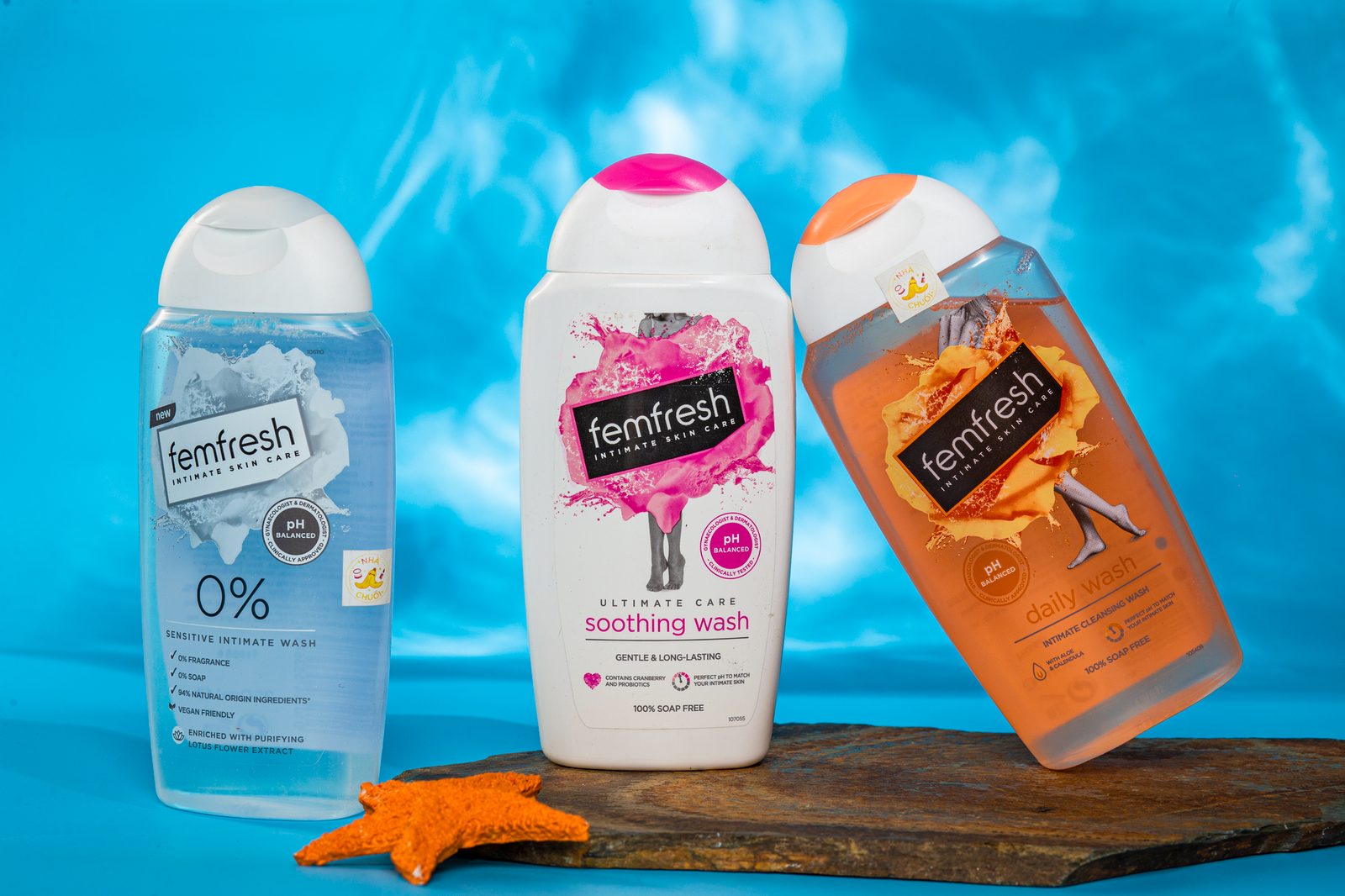
The Best Under $35 Beauty Products of 2026: What Critics Are Calling Out
Finding quality beauty and skincare products that don't drain your budget has become easier as the market expands with accessible options. In July 2026, major beauty publications took stock of what's working in the under-$35 category, and the results reveal a landscape where affordability no longer means compromising on efficacy or formulation.
Both Yahoo and Byrdie published comprehensive roundups identifying the best under $35 beauty products 2026, signaling strong editorial consensus around which affordable offerings deserve shelf space. The simultaneous coverage from multiple authoritative sources suggests that consumers and industry observers alike are paying attention to value-driven purchases in a market that has historically prioritized premium pricing.
A Dual Focus: Beauty and Skincare
The editorial attention split between general beauty products and skincare specifically reflects how these categories have evolved. Byrdie's coverage included both a dedicated skincare roundup and a broader beauty products list, each published on July 14, 2026. This separation underscores that skincare—often the foundation of any routine—warrants its own focused analysis when evaluating products at this price point.
The distinction matters because skincare products, in particular, require consumers to evaluate ingredient efficacy, texture compatibility, and long-term results. When a product costs less than $35, the burden on the formulation becomes more apparent. A moisturizer or serum at this price needs to deliver tangible benefits without the marketing premium of luxury branding.
What This Means for Consumers
The emergence of curated lists specifically highlighting the best under $35 beauty products 2026 suggests that editors and reviewers have identified genuine standouts rather than simply listing everything within budget. This is an important distinction. A roundup that acknowledges the best options at a given price point implies quality filtering—these aren't just affordable products, but affordable products that perform.
For consumers navigating the overwhelming number of options available online and in stores, this kind of editorial guidance serves a practical purpose. Rather than scrolling through hundreds of reviews or relying on algorithmic recommendations, readers can turn to publications that have already done the legwork of testing, comparing, and evaluating products across multiple categories and brands.
The Broader Market Context
The timing of these July 2026 publications also reflects where the beauty industry stands. Mid-year roundups often capture products that have proven their staying power through the first half of the year, while also looking ahead to what's likely to remain relevant through the remainder of the season. Products that make it into these lists have typically demonstrated consistent performance and positive consumer reception.
The focus on affordability speaks to broader consumer priorities. In an era where skincare routines have become more elaborate and personalized, the ability to build an effective regimen without significant financial investment has become a key selling point. Whether consumers are looking to experiment with new product categories, expand existing routines, or simply make smarter purchasing decisions, the availability of well-reviewed options under $35 expands possibilities.
Finding Your Best Options
Both Yahoo and Byrdie's coverage of the best under $35 beauty products 2026 provides starting points for exploration. The fact that multiple publications identified similar categories and products worth highlighting suggests there's genuine consensus around what works at this price level. Whether your focus is skincare, color cosmetics, tools, or treatments, the editorial consensus from July 2026 indicates that quality options exist across the board.
The real value in these roundups lies not just in the specific product recommendations, but in the validation they provide—that spending less doesn't automatically mean settling for less. As the market continues to evolve, the expectation that affordable products should still perform well has become the baseline rather than the exception.


