Hormonal acne in women isn't just a teenage problem. It can strike at any age. You might see it during your period, during pregnancy, after starting birth control, or around menopause. The cause is simple. Shifting hormones make your skin's oil glands work overtime. This extra oil clogs pores and feeds bacteria. The result is a breakout.
Here's the good news. Hormonal acne in women is very manageable once you know what's driving it. Understanding your triggers is the first step. From there, you can pick treatments that work with your body, not against it.
This guide covers the causes, proven treatments, and skincare habits that actually help. Whether you get occasional flare-ups or ongoing breakouts, you'll find real answers below.
Why Hormonal Acne in Women Happens
Your hormones control how much oil your skin makes. When hormone levels shift, your sebaceous glands can go into overdrive. These are the tiny glands that produce oil in your skin.
Androgens are the main trigger. All women have androgens, just in smaller amounts than men. When androgen levels rise, your skin makes extra sebum. This oil mixes with dead skin cells and bacteria. That combination clogs pores and causes breakouts.
Progesterone plays a role too. This hormone rises and falls throughout your monthly cycle. Many women break out in the week before their period. That's when progesterone drops and androgens become more active by comparison. According to the MedlinePlus overview of acne, hormone changes are one of the most common acne triggers women experience.
When Hormonal Acne Strikes
Hormonal acne follows fairly predictable patterns. Most women break out along the lower face, jawline, and chin. This is different from acne caused mainly by bacteria or clogged pores, which can show up anywhere on the face.
Your menstrual cycle is often the trigger. Many women break out during the two weeks before their period, known as the luteal phase. Some notice flare-ups right after ovulation. Others break out just as their period begins.
Birth control changes can also spark acne. Starting a new pill, switching brands, or stopping hormonal birth control can throw off your skin. It may take weeks or months to settle down.
Pregnancy brings big hormonal shifts. Some women get clearer skin during pregnancy. Others get their worst breakouts ever. Polycystic ovary syndrome, or PCOS, raises androgen levels and often causes ongoing acne. The NIH's guide to PCOS explains how this hormonal imbalance affects the skin along with other body systems.
Medical Treatments for Hormonal Acne in Women
If over-the-counter products aren't working, your doctor has more tools to offer. The right treatment depends on how severe your acne is and what's going on with your hormones.
Birth Control Pills
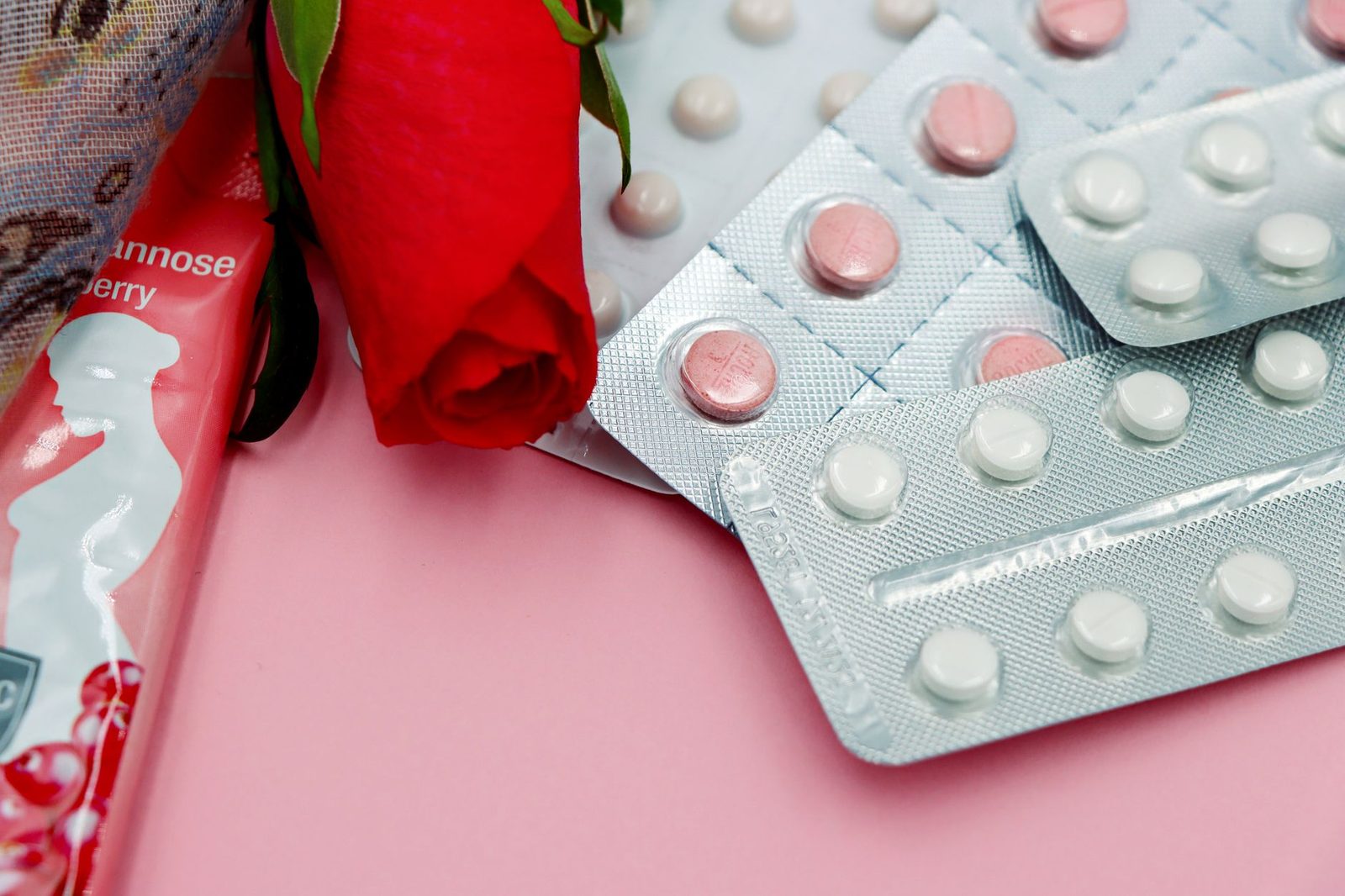
Certain birth control pills lower androgen levels and can reduce acne. Pills that combine ethinyl estradiol with specific progestins tend to work best. Your doctor can suggest brands backed by strong evidence for acne improvement.
Results take time. Most women need three to four months to see real change. Some improve faster. Others need a bit longer.
Spironolactone
This medication blocks androgens in the body. It isn't a birth control pill. It's actually a diuretic first used to treat blood pressure. Dermatologists often prescribe it for hormonal acne because it cuts oil production at the source.
Spironolactone works best paired with other treatments. It usually takes two to three months to show results. Your doctor will check your potassium levels and kidney function with regular blood tests.
Retinoids
Retinoids come from vitamin A. They speed up skin cell turnover and stop pores from clogging. They help hormonal acne because they work in more than one way at once.
Prescription retinoids like tretinoin are stronger than over-the-counter versions. They can cause dryness and sensitivity early on. Start with a low dose and go slowly. Never use retinoids if you're pregnant or trying to become pregnant.
Antibiotics
Oral antibiotics like doxycycline reduce acne-causing bacteria. They also calm inflammation. But they work best as a short-term fix, not a long-term plan. Your body can build resistance over time.
Doctors usually prescribe antibiotics for three to six months. After that, you'll switch to another treatment to avoid resistance problems.
Skincare Routines That Support Treatment
Medicine works better when your skincare routine backs it up. Keep things simple, consistent, and suited to hormonal acne.
Cleanse Gently
Wash your face twice a day with a gentle cleanser. Skip harsh scrubs. They irritate skin and make acne worse. Use lukewarm water instead of hot water, since hot water strips your skin and can trigger more oil.
Pat your face dry with a clean towel. Don't rub. Rubbing spreads bacteria and irritates inflamed skin.
Use the Right Active Ingredients
Salicylic acid and benzoyl peroxide are proven acne fighters. Salicylic acid unclogs pores. Benzoyl peroxide kills bacteria. You can use them together or on alternating days.
Start with lower strengths, like 2% salicylic acid or 2.5% benzoyl peroxide. Higher strength doesn't mean better results. It usually just means more dryness and irritation.
If you use a prescription retinoid, skip salicylic acid at first. The combination can be too harsh. Once your skin adjusts to the retinoid, add salicylic acid a few nights a week.
Moisturize Every Day
Acne treatments dry out skin. A good moisturizer prevents this and keeps your skin barrier strong. Choose lightweight, non-comedogenic formulas that won't clog pores.
Apply moisturizer to damp skin right after cleansing. This helps your skin hold onto water. If you use a retinoid, moisturizer is a must. It reduces irritation and helps your skin tolerate treatment.
Protect Your Skin from the Sun
Sunscreen is non-negotiable when you're treating acne. Retinoids and some acne medications make skin more sensitive to sun. UV exposure can darken acne scars and trigger new breakouts.
Use a broad-spectrum sunscreen with at least SPF 30 every day. Mineral sunscreens tend to work well on acne-prone skin since they're less likely to clog pores.
Lifestyle Changes That Help
Your skin reflects what's happening in the rest of your body. A few habit changes can support your treatment plan for hormonal acne in women.
Manage Stress
Stress triggers cortisol release, which can worsen acne. Find ways to calm your nervous system. Exercise, meditation, yoga, and time outdoors all help. Even ten minutes of deep breathing can shift your stress response.
Eat an Anti-Inflammatory Diet
Foods high in refined carbs and sugar can spike insulin, which may worsen acne. Focus on whole grains, lean protein, fruits, and vegetables. Omega-3 foods like fish and flaxseed have anti-inflammatory effects that benefit skin.
Some women notice dairy triggers breakouts. If you suspect this, cut it out for a month and watch for changes.
Sleep Matters
Poor sleep raises cortisol and inflammation. Aim for seven to nine hours a night. Your skin repairs itself while you sleep, so rest is part of your treatment plan too.
Track Your Cycle
Keep a simple log of your breakouts and your menstrual cycle. Note when breakouts happen and which cycle phase you're in. This pattern helps you and your doctor spot your specific triggers and time treatments better.
When to See a Dermatologist
Over-the-counter products work fine for mild acne. But hormonal acne often needs professional care. See a dermatologist if:
- Your acne persists despite consistent skincare for eight weeks
- Breakouts are severe, painful, or leaving scars
- Acne is affecting your mental health or confidence
- You want to explore prescription options like spironolactone or retinoids
- You're considering birth control specifically for acne management
A dermatologist can assess your skin type, hormone patterns, and medical history. They'll suggest treatments built around your situation. They can also rule out other skin conditions that look like acne but aren't.
The Bottom Line
Hormonal acne in women is treatable. It starts with understanding your triggers, whether that's your menstrual cycle, birth control changes, or another hormonal shift. From there, you have real options. Prescription medications like spironolactone or birth control pills can help. So can topical treatments like retinoids and a solid daily skincare routine.
Consistency matters more than perfection. Stick with a treatment for at least three months before deciding it's not working. Pair medical treatments with lifestyle habits like stress management and good sleep. Most of all, be patient with yourself. Your skin will improve.