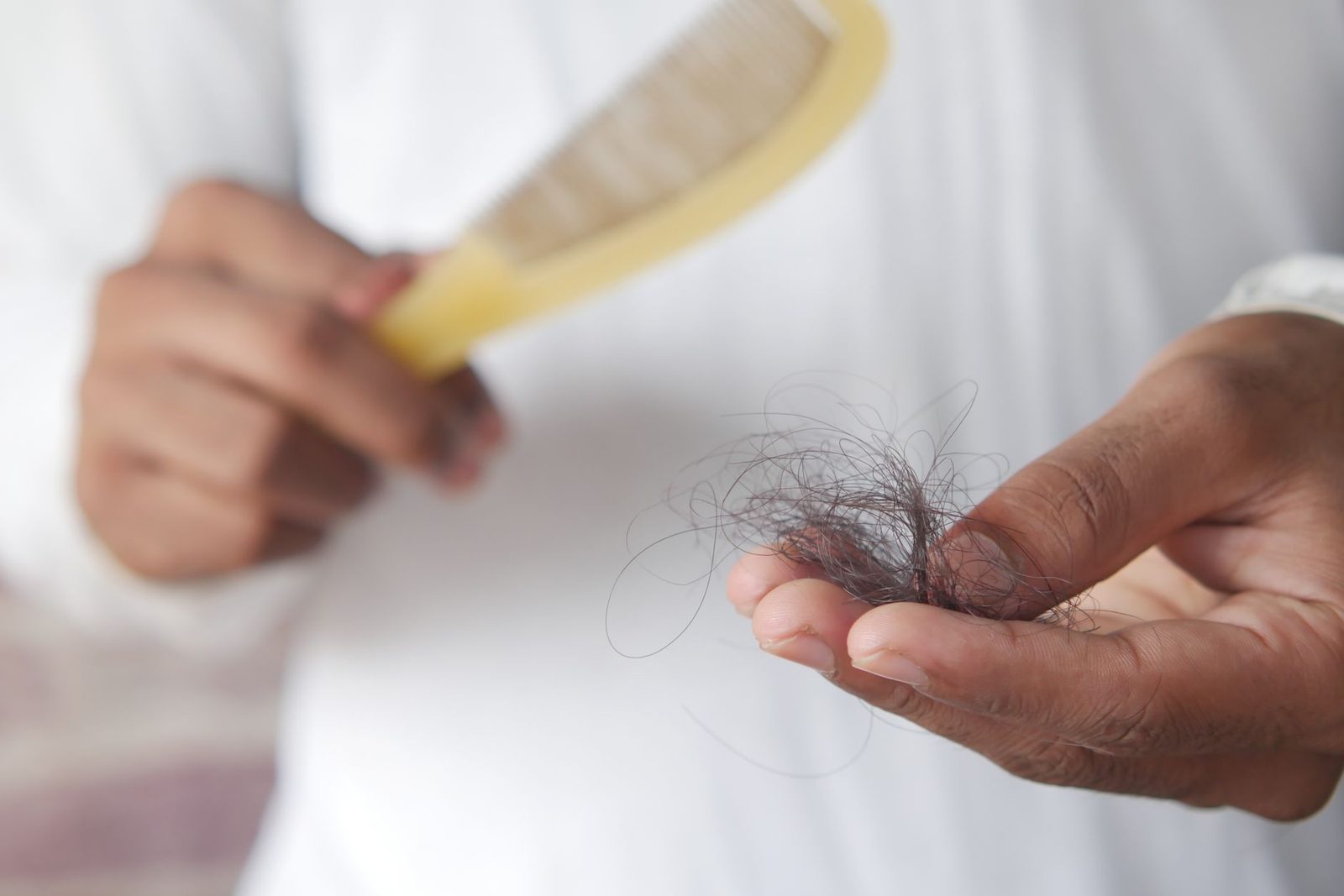
Hair loss hits women harder than most people realize. It's not just a cosmetic issue. It can shake your confidence and leave you searching for answers. If you're losing more hair than usual, you're not alone, and you're not without options.
Understanding female hair loss causes and treatment starts with knowing your body. Hormones, stress, diet, and genetics all play a role. Some causes are temporary. Others need long-term management. The good news? Most women can slow, stop, or even reverse hair loss once they find the root cause.
This guide breaks down why hair loss happens, what you can do to prevent it, and which treatments actually work. Think of it as your game plan for healthier hair.
What Causes Female Hair Loss?
Hair loss in women rarely has one simple cause. It's often a mix of factors working together. Getting to the bottom of female hair loss causes and treatment means looking at your whole health picture, not just your scalp.
Genetics play a big role. Female pattern hair loss, also called androgenetic alopecia, runs in families. It usually shows up as thinning at the crown or a widening part line. It develops slowly over years.
Hormonal shifts are another major trigger. Pregnancy, menopause, and thyroid problems can all throw your hormones out of balance. That imbalance can push hair follicles into a resting phase, causing noticeable shedding a few months later.
Nutritional gaps matter too. Low iron, low protein, or a lack of key vitamins can weaken hair at the root. Crash diets and restrictive eating patterns often show up first in your hair, before anywhere else.
Stress deserves its own mention. Physical or emotional stress can trigger a condition called telogen effluvium. It sounds technical, but it's simple: stress pushes hair into a shedding cycle earlier than normal. The good news is this type of hair loss is usually temporary.
Other causes include certain medications, autoimmune conditions like alopecia areata, and harsh styling habits. Tight hairstyles, heat tools, and chemical treatments can damage hair over time. For a deeper look at the many medical causes behind hair loss, the MedlinePlus overview on hair loss is a solid, trustworthy resource.
Hormones and Your Hair: A Closer Look
Let's zoom in on hormones, since they're often the biggest piece of the puzzle. Estrogen helps keep hair in its growth phase longer. When estrogen drops, like during menopause, hair can thin faster.
Thyroid hormones also matter a lot. Both an underactive and overactive thyroid can cause hair thinning. If your hair loss comes with fatigue, weight changes, or mood shifts, a thyroid check is worth asking your doctor about.
Polycystic ovary syndrome, or PCOS, is another hormone-related cause. Higher androgen levels linked to PCOS can lead to thinning on the scalp, paired with extra hair growth elsewhere on the body.
Postpartum hair loss is incredibly common and often alarming. During pregnancy, high estrogen keeps more hair in the growth phase than usual. After delivery, hormone levels drop fast. That sudden shift causes a wave of shedding a few months later. It usually resolves on its own within a year.
Prevention Strategies That Actually Work
You can't control your genes. But you can control many other factors that affect hair health. Small daily habits add up over time.
Start with your plate. A balanced diet with enough protein, iron, zinc, and biotin supports strong hair growth. Leafy greens, eggs, beans, and lean meats are great choices. If you suspect a deficiency, ask your doctor for bloodwork before starting supplements on your own.
Manage stress like you would train for a race. Regular exercise, good sleep, and relaxation practices all help lower stress hormones that can trigger shedding. Even small daily habits, like a short walk or a few minutes of deep breathing, make a difference over time.
Be gentle with your hair. Skip tight ponytails, braids, and buns worn every day. Limit heat styling and harsh chemical treatments. Use a wide-tooth comb on wet hair, since wet strands are more fragile and break easily.
Don't skip regular checkups. Catching thyroid issues, PCOS, or anemia early makes treatment much easier. Hair often reflects what's happening inside your body, so treat it as an early warning system, not just a beauty concern.
Sun protection matters too. Excess UV exposure can weaken hair over time, so a hat or scarf on intense sunny days helps protect both your scalp and your strands.
Treatment Options Worth Considering
Once you understand your specific cause, treatment becomes much more targeted. There's no single fix that works for everyone, but several evidence-based options exist.
Topical minoxidil is the most widely used over-the-counter treatment. It's applied directly to the scalp and can help slow thinning or encourage regrowth for many women. Results take time, usually several months of consistent use, so patience is key.
Prescription options include anti-androgen medications, which can help with hormone-related thinning, especially in cases linked to PCOS. Your doctor may also check for iron deficiency or thyroid issues and treat those root causes directly.
For autoimmune-related hair loss, like alopecia areata, dermatologists may recommend corticosteroid treatments or other targeted therapies. The National Institutes of Health supports ongoing research into new and improved treatments for various forms of hair loss, so options continue to expand.
Low-level laser therapy is another option some women try. Early research is promising, though results vary from person to person. As with any treatment, talk to a dermatologist before starting something new, especially if you're pregnant, nursing, or managing another health condition.
Lifestyle-based treatment matters just as much as medical treatment. Combining good nutrition, stress management, and gentle hair care with medical options tends to produce the best long-term results.
When to See a Doctor
Some hair loss is normal. Losing 50 to 100 strands a day is typical. But if you notice sudden bald patches, rapid thinning, or shedding that doesn't slow down after a few months, it's time to get checked.
A dermatologist can examine your scalp and may run bloodwork to check hormone levels, iron stores, and thyroid function. Getting a clear diagnosis early makes treatment far more effective. Don't wait until thinning feels severe to ask for help.
Bring a simple timeline to your appointment. Note when the shedding started and any major life changes around that time, like a new medication, a stressful event, or a pregnancy. That information helps your doctor connect the dots faster.
The Bottom Line
Female hair loss can feel overwhelming, but it's rarely a mystery once you dig into the causes. Hormones, nutrition, stress, and genetics all play a part, and each one points toward a different path forward.
The most powerful step you can take is paying attention. Notice changes early, support your body with good nutrition and stress management, and don't hesitate to loop in a doctor when something feels off. With the right approach to female hair loss causes and treatment, most women can protect their hair and their confidence for the long run.