
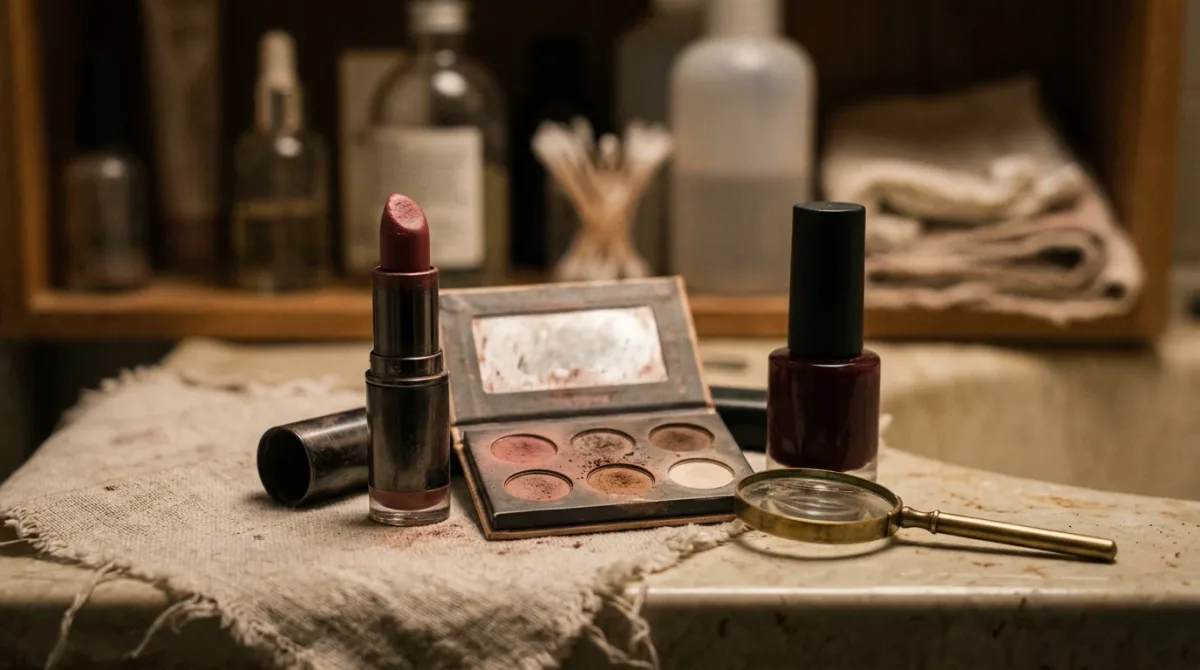
Every color additive used in a US cosmetic must be approved by the Food and Drug Administration for that specific product type, and the approval process differs by ingredient source: petroleum-derived "coal-tar" dyes require FDA batch certification before use, while colors from mineral, plant, or animal sources are exempt from certification but must still meet the agency's purity and use requirements, according to the FDA's color additives fact sheet.
The rules apply to blush, lipstick, eyeshadow, nail polish, and any other cosmetic that adds color, and they explain why an ingredient allowed in one product can be barred from another nearby on the same face.
What counts as a color additive in cosmetics?
A color additive is any dye, pigment, or other substance that can impart color to a cosmetic, food, drug, or medical device, and the FDA regulates all of them through a single color additive program, per the agency's cosmetics color additive fact sheet. Cosmetic colors fall into two broad groups. The first is colors subject to certification, commonly called coal-tar or synthetic-organic dyes because they are derived primarily from petroleum. These carry names with a prefix such as FD&C, D&C, or External D&C followed by a color and number, and each production batch must pass FDA laboratory testing for composition and purity before a company can sell it; the fact sheet states plainly that without that certification, a company should not use it. The second group is colors exempt from certification, which come from mineral sources such as iron oxides or mica, or from plant and animal sources. These do not require batch-by-batch testing, but they still must comply with the identity, specification, use, and labeling requirements set out in FDA regulations.
How does the FDA decide which colors are safe for which products?
Approval is use-specific, not blanket: a color additive is authorized only for the particular cosmetic category, concentration, and body area named in its FDA regulation, according to the fact sheet. The clearest example is the eye area, where the list of approved colors is much shorter than for skin or lips, because the eye is considered more vulnerable to irritation and injury. Silver nitrate, for instance, is approved only for coloring eyebrows and eyelashes, only for professional salon use, and only at a maximum concentration of 4%. No color additive is approved for injection into the skin or for tattooing. Lipsticks and other products used near the mouth may use only colors specifically cleared for use on lips and mucous membranes. A small set of fluorescent colors, including D&C Orange No. 5, 10, and 11 and D&C Red No. 21, 22, 27, and 28, is permitted only within specified limits, and the only glow-in-the-dark pigment approved for cosmetic use is luminescent zinc sulfide. A cosmetic that uses an approved color in an unapproved way, such as an eye-area-restricted color in an eyeliner sold without that restriction being followed, is legally "adulterated" and subject to FDA enforcement, the fact sheet notes, with color violations cited as a common reason imported cosmetics are detained at the border.
| Color category | Certification required | How it is used in cosmetics |
|---|---|---|
| Coal-tar/synthetic dyes (FD&C, D&C, External D&C) | Yes — FDA batch-tests composition and purity before sale | Only for the specific product types and body areas named in the color's regulation |
| Mineral, plant, or animal-derived colors | No batch certification, but must meet FDA identity and purity rules | Only for the specific product types and body areas named in the color's regulation |
| Coal-tar hair dyes | Subject to a separate, long-standing statutory exemption from the certification and adulteration provisions that apply to other cosmetic colors | Scalp and hair coloring, sold with a required allergy-alert instruction |
Why is FD&C Red No. 3 still barred from cosmetics?
FD&C Red No. 3, also called erythrosine, is a bright cherry-red synthetic dye that the FDA permanently listed for use in food and ingested drugs in 1969, according to the agency's official page on the color. In 1990, the FDA rejected a petition to permanently authorize the same dye for cosmetics and topical drugs after animal studies linked high doses to cancer, invoking the Delaney Clause, a 1960 law that bars FDA authorization of any food or color additive found to cause cancer in humans or animals. That cosmetics and topical-drug prohibition has stood since 1990. The food and ingested-drug side of the story moved on a separate, much slower track: the FDA did not act on its own 1992 announcement that it intended to revoke the food and drug authorizations, and only issued a formal revocation order on January 15, 2025, again citing the cancer findings in male rats. Under that order, FD&C Red No. 3 becomes illegal in food as of January 15, 2027, and in ingested drugs as of January 18, 2028. The FDA has also noted that studies in other animals and in humans have not shown the same cancer effect, and that current evidence does not show the dye causes cancer in people. The dye's split status is a useful illustration of a broader pattern: cosmetics, food, and drugs are regulated as separate categories under the FD&C Act, so the same ingredient can be permitted in one and barred in another at the same time, and a ban announced today can still take years to reach store shelves.
What about allergic reactions to hair dye colors?
Coal-tar hair dyes sit outside the standard cosmetic color additive certification and adulteration rules under a long-standing statutory exemption, per the FDA's cosmetics fact sheet, which is why hair-color boxes carry allergy-alert language rather than a certified-color label. The ingredient most often responsible for allergic reactions to permanent and semi-permanent hair dye is paraphenylenediamine, or PPD, which becomes reactive once it is mixed with an oxidizer during application, according to Healthline. Reactions range from mild contact dermatitis, such as burning, stinging, or dry skin, to more severe swelling, blistering, and rash on the scalp or face, and in rare cases to anaphylaxis with throat swelling and breathing difficulty. Healthline notes that a person can become allergic to a dye at any time, including after using it without a problem in the past, which is part of why manufacturers include a patch-test instruction on the package.
When to see a clinician
Anyone with facial or scalp swelling, hives spreading beyond the area a product touched, or any sign of difficulty breathing or swallowing after a hair dye or cosmetic application should treat it as an emergency and seek immediate care, consistent with Healthline's guidance on anaphylactic hair dye reactions. Milder skin reactions, such as persistent redness, itching, or a rash that does not improve within a few days, or that recurs with repeated use of a product, are a reasonable reason to contact a doctor or dermatologist, who can help identify the specific ingredient responsible and advise on safer alternatives. This article provides general information about cosmetic regulation and is not medical advice; a clinician should evaluate any suspected allergic or irritant skin reaction.
Frequently asked questions
For a related prevention perspective, read What to Know About Colorectal Cancer Screening.
For more context, read Complete Guide to Comic Book Collecting for Beginners.
For more context, read How are dietary supplements actually regulated?.
For more context, read Does biotin actually help hair, skin and nails?.