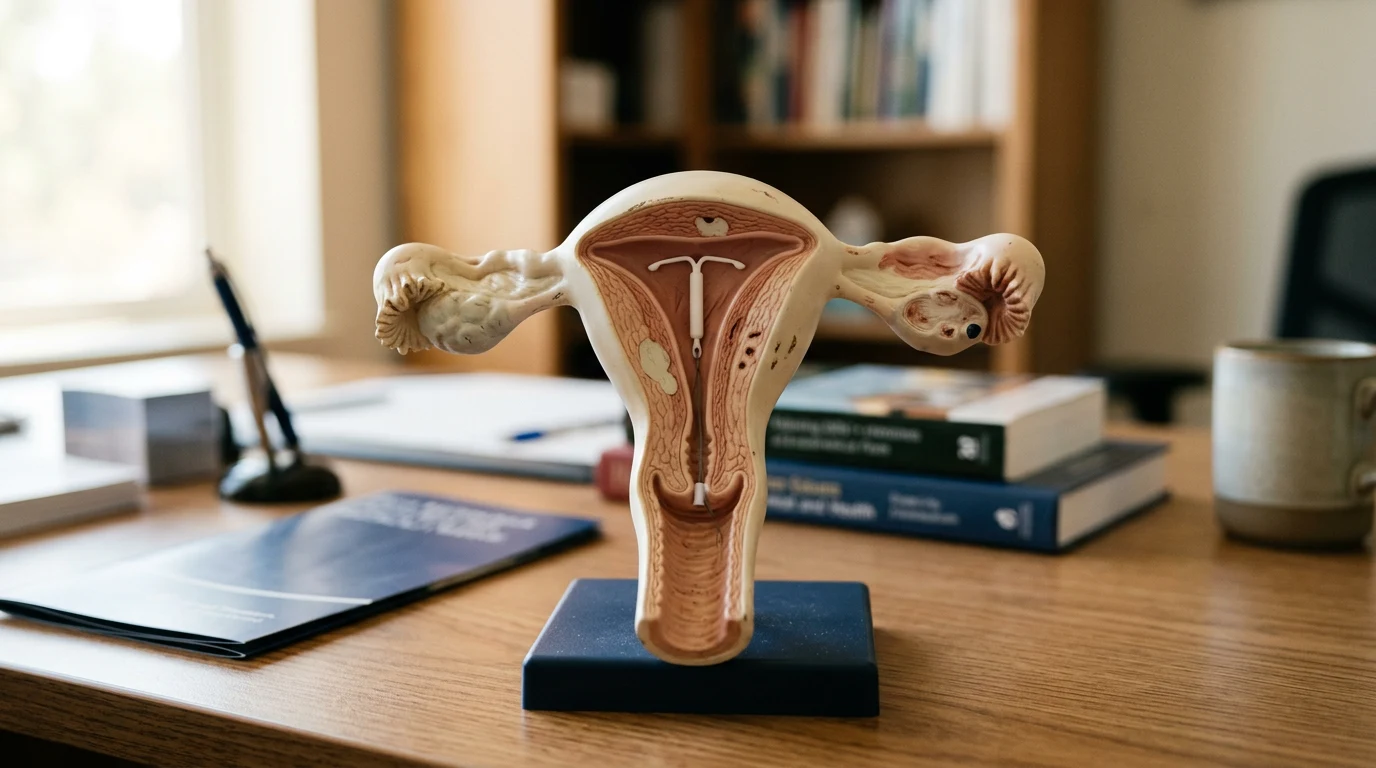
How HPV Vaccination Actually Lowers Cervical Cancer Risk
Population-level data now shows a clear pattern: the earlier the HPV vaccine is given, the bigger the drop in cervical cancer risk. Here is what the research actually measured.
Which screening tests are worth booking and when, what a vaccine protects against, and how to read a risk percentage without overreacting to it.
Population-level data now shows a clear pattern: the earlier the HPV vaccine is given, the bigger the drop in cervical cancer risk. Here is what the research actually measured.

Screening starts at 21 for most people in the U.S., and the intervals stretch as you age — here is what each guideline body says.
BRCA1 and BRCA2 mutations raise lifetime breast cancer risk dramatically — but guidelines reserve testing for women with a personal or family history, after counseling.

CDC guidance calls for annual chlamydia and gonorrhea screening for sexually active women under 25 — and HIV testing at least once for everyone.

USPSTF 2025 recommends bone density screening for all women at 65 and earlier when risk is elevated — here is how DXA, T-scores, and FRAX fit together.

Vaccination does not end at 18 — the CDC adult schedule covers a tetanus booster every 10 years, shingles shots from 50, and RSV from 75.