
How do IUDs actually work?
A look at the mechanics behind hormonal and copper IUDs, how effective each type is, and what insertion and the first few months typically involve.
Contraception, fertility investigation, pregnancy and the menopause transition, covered with trial data, side effect profiles and typical costs laid out.
A look at the mechanics behind hormonal and copper IUDs, how effective each type is, and what insertion and the first few months typically involve.

Perimenopause is the years-long transition before menopause in which hormone levels fluctuate rather than simply decline — and that is why symptoms arrive in waves.
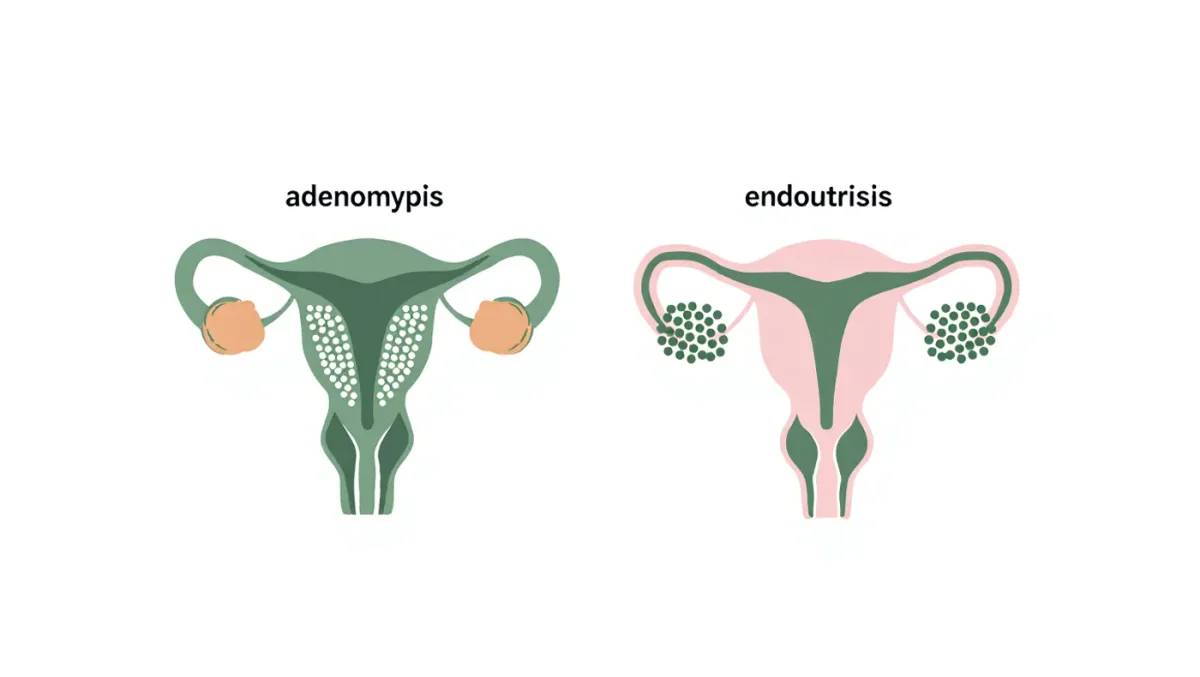
Both involve uterine-lining tissue growing where it does not belong — one inside the muscle of the uterus, the other outside it.

Menstrual, follicular, ovulation, luteal: four phases driven by four hormones, repeating on a clock that varies more than most people think.

Emergency contraception delays or prevents ovulation after sex — it does not interrupt an established pregnancy, and the clock matters.
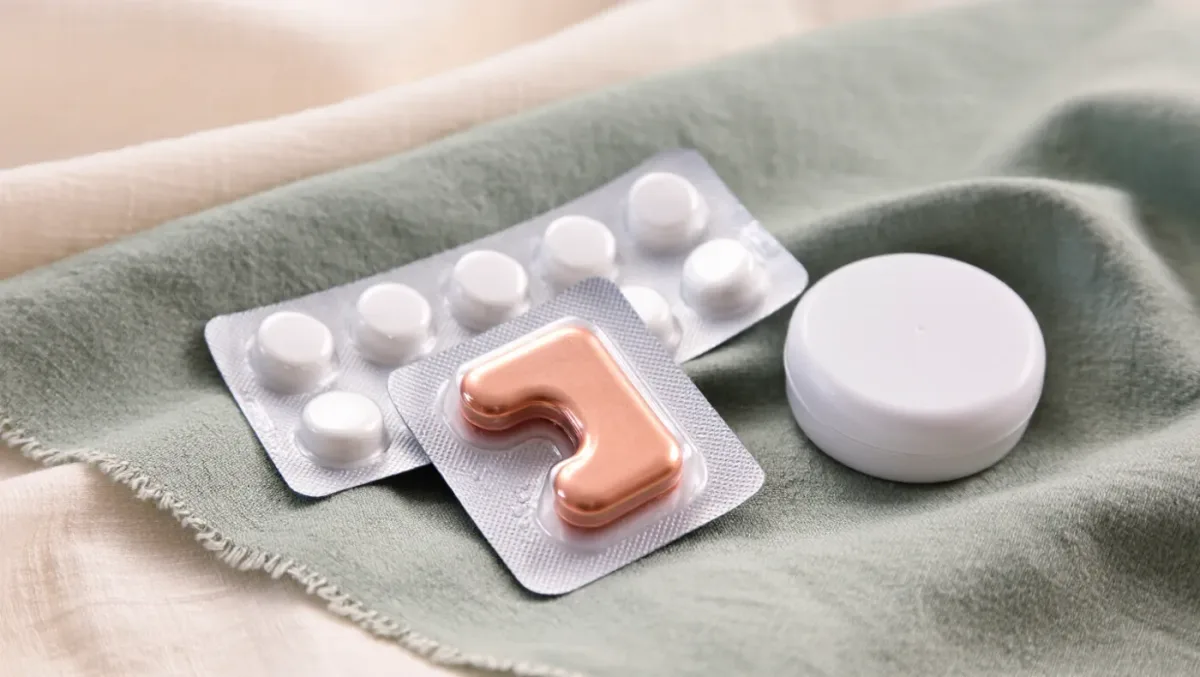
The pill is one option among more than a dozen — and the most effective methods are the ones that require the least from memory.