A diagnosis of polycystic ovary syndrome does not close the door on pregnancy. It explains why your cycles may be unpredictable. It also comes with treatments that can help the body release an egg. If getting pregnant is your goal, the diagnosis is a first step, not a last word.
Polycystic ovary syndrome is the most common hormonal disorder in women of reproductive age. Per Wikipedia's condition overview, between 5 and 18 percent of women of childbearing age have it. Some current papers also call it polyendocrine metabolic ovarian syndrome. The old name misleads. People with the syndrome are no more likely than anyone else to have true cysts.
How the diagnosis is made
The syndrome tends to announce itself in the menstrual calendar. Common signs include irregular or heavy periods, extra hair growth, acne, and patches of thicker, darker skin. Many people also notice trouble getting pregnant.
There is no single test. Per the overview, doctors look for at least two of three features. One is irregular periods. Another is high testosterone, or signs of it, such as extra facial hair. The third is an excess of small follicles on an ovarian ultrasound. A blood test for anti-Müllerian hormone can stand in for the scan.
Why cycles and fertility shift
Irregular periods are a defining feature of the syndrome. They mean ovulation is not happening on a steady schedule. That is why trouble conceiving counts as a symptom, not a separate verdict.
The condition is also linked to insulin resistance, which excess weight makes worse. Per the overview, that insulin problem raises the risk of type 2 diabetes and liver disease over time. The list of linked problems is long as well. It includes obesity, sleep apnea, heart disease, mood disorders, and cancer of the uterine lining. This is why care looks at long-term health, not just cycles. None of this is a reason to panic. These are reasons to keep regular care in place.
The options that matter when you want to conceive
Care usually starts with the basics. A healthy lifestyle and weight control are the usual starting point. When pregnancy is the goal, ovulation can be induced with letrozole, among other methods, per the same source. Metformin, a common antidiabetic drug, is also part of the toolkit. It works by increasing insulin sensitivity. This connects to our earlier piece, How Emergency Contraception Works.
Birth control pills have a place here too, but for symptoms rather than conception. Hormonal contraception can steady cycles and ease acne and excess hair growth. That role ends when you start trying, so tell your clinician what you are planning. None of this is a plan to run on your own. The choices belong to you and your clinician. Readers following this should also see Birth Control Options, Beyond the Pill.
When to talk to a clinician
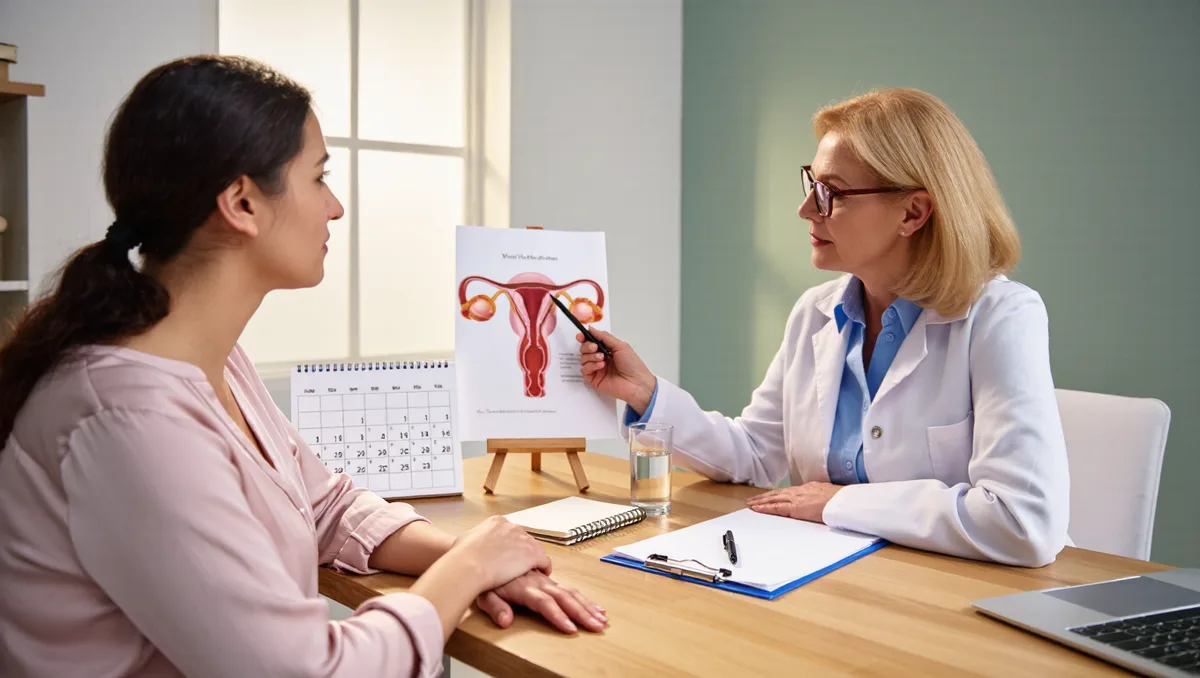
If your periods are irregular and you hope to conceive, raise it early. Do not wait for the calendar to decide. Bring notes on your cycles if you have them. An evaluation can confirm the syndrome and rule out look-alikes. Per the overview, those include adrenal hyperplasia, hypothyroidism, and high levels of prolactin. Care also includes long-term monitoring for heart and metabolic risks, and closer watch during pregnancy.
Conclusion: A plan, not a penalty
PCOS is a long-term condition, but it comes with a map. The diagnosis explains the irregular cycles, names the risks worth watching, and opens the door to treatment when you want a pregnancy. Take your questions to a qualified clinician. Ask what monitoring you need, and what the next step is. The diagnosis works best as a plan, not a penalty.
This article is general information, not medical advice. Talk with a qualified healthcare provider about your health.