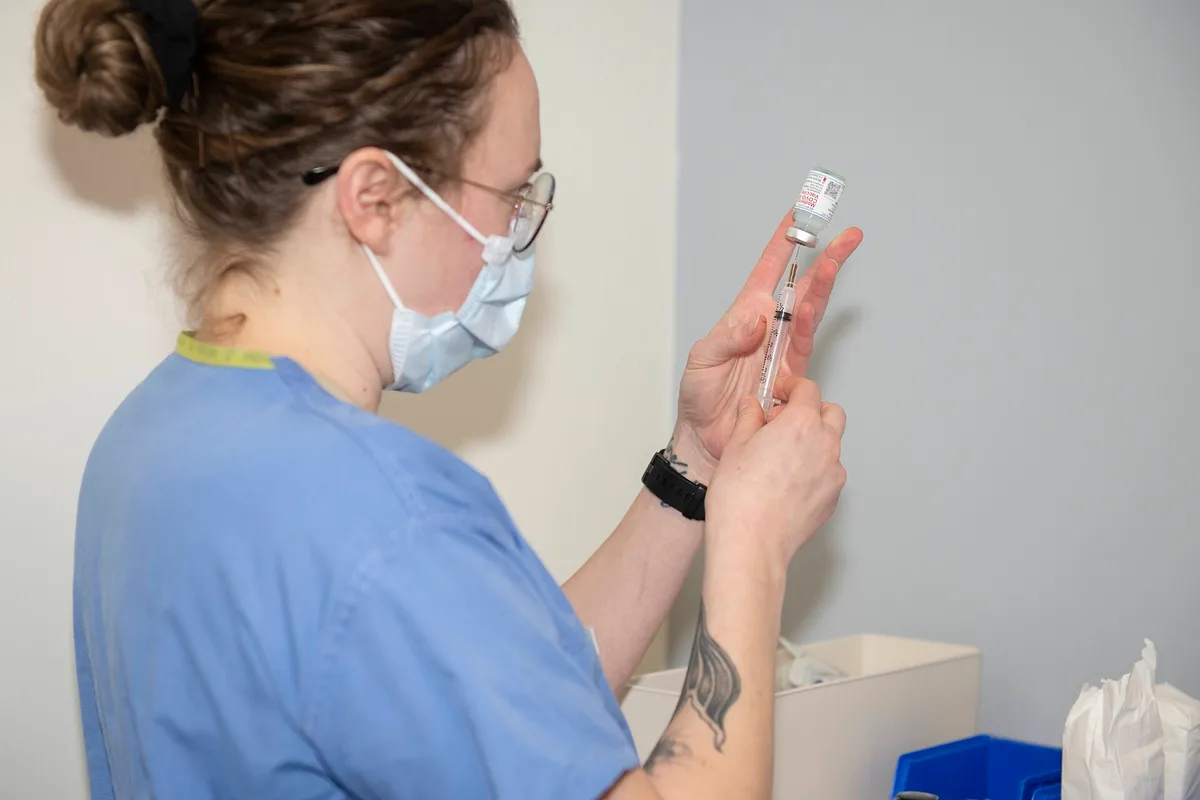

On June 18, 2026, the American College of Obstetricians and Gynecologists released the 2026 Maternal Immunization Schedule, its own evidence-based vaccination schedule for pregnant, postpartum, and lactating patients, per ACOG's news release. More than a dozen medical societies endorsed it. The schedule names four vaccines for routine use in pregnancy — Tdap, influenza, COVID-19, and RSV — and, notably, was issued independently of the federal CDC schedule.
What the schedule recommends
Per the June 18, 2026 release, the routine pregnancy recommendations are: Tdap during every pregnancy in late second or third trimester, to protect newborns against pertussis; seasonal influenza in any trimester; COVID-19 vaccination; and RSV vaccination between 32 and 36 weeks of gestation during RSV season, to transfer antibodies that protect the infant through its first winter. The schedule also covers postpartum and lactating patients, for whom most vaccines — including live vaccines that are avoided during pregnancy itself — become available under the schedule.
Why ACOG published its own schedule at all
Professional societies historically aligned their guidance with the CDC's Advisory Committee on Immunization Practices, which sets the US standard. Per ACOG's release, the college issued the 2026 maternal schedule independently, and reporting around the release, including coverage in JAMA the same day, noted it differs in places from the federal schedule. The backdrop is the restructuring of federal vaccine advisory processes through 2025, which left several medical societies publicly stating that they would review evidence independently. ACOG's document is the first full specialty schedule to formalize that split for pregnancy.
What this changes for patients
In practice, little changes at the bedside this summer: obstetric clinicians were already recommending these four vaccines, and the schedule consolidates their timing in one document. The change is administrative and directional. If your obstetrician recommends a vaccine this pregnancy, the recommendation now traces to ACOG's own evidence review rather than to a federal committee — which matters for insurance billing rules and for state school-entry and workplace policies that cite federal schedules by statute.
The context most coverage skipped
The quiet substance of the schedule is RSV timing. Maternal RSV vaccination, recommended by ACIP in 2023 for seasonal use at 32 to 36 weeks, is the newest routine vaccine in pregnancy and the one with the clearest newborn benefit: per ACOG, the antibodies it generates protect infants through the RSV season without the infant receiving a shot. Keeping it in the routine pregnancy schedule — while some federal messaging on RSV has wavered — is the college's most consequential practical statement in the document, and the one pediatric hospitals will watch most closely this winter.