
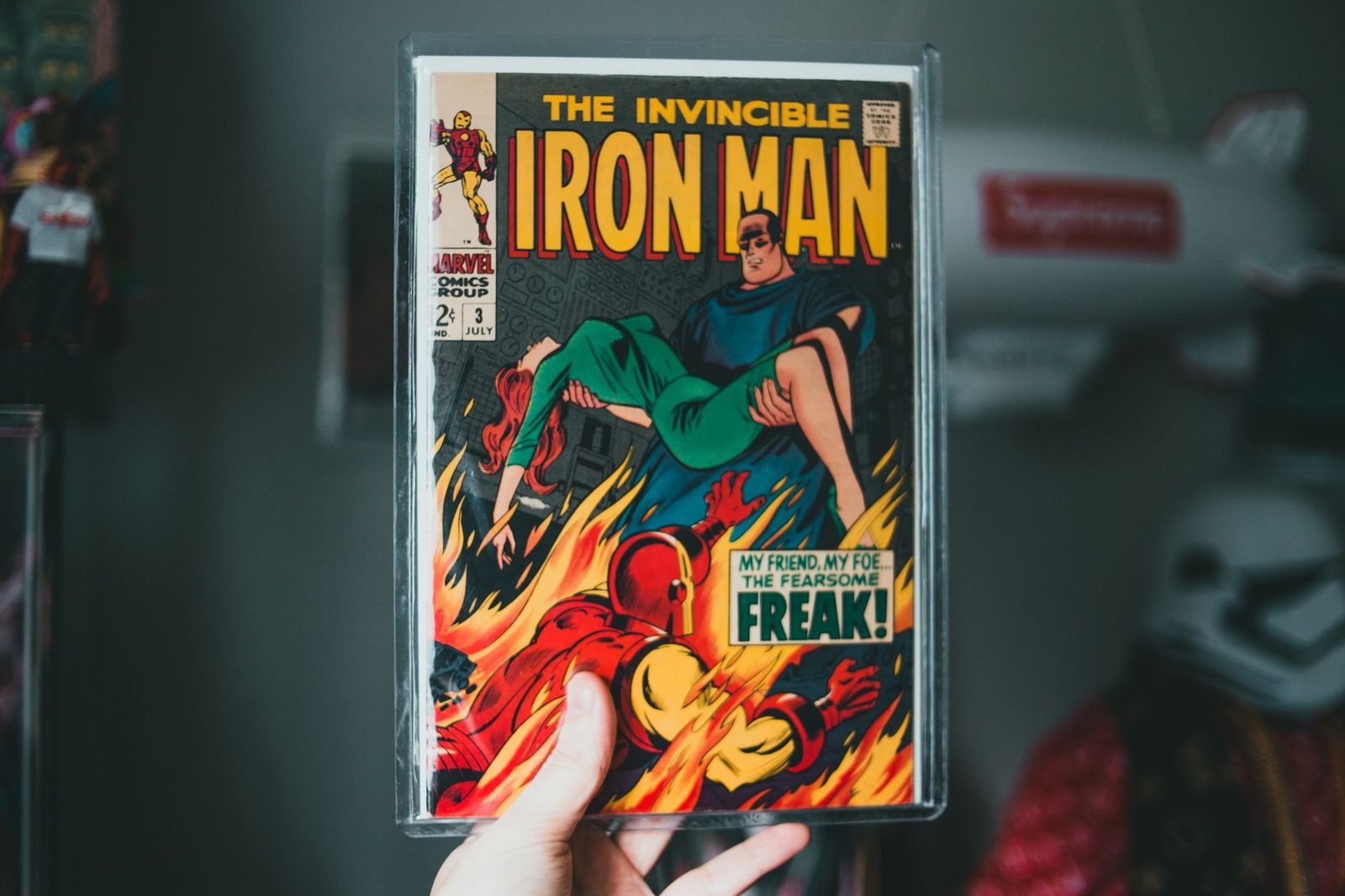
Comic book collecting means buying, tracking, and caring for comic books you enjoy or believe will grow in value. It is part hobby, part small business, and part personal archive. Anyone can start with a five-dollar back issue or a modern release straight off the shelf.
The hard part is not finding comics. Stores, conventions, and online marketplaces are full of them. The hard part is knowing what makes one comic worth keeping and another worth trading away. Condition, rarity, and demand all play a role, and each one takes some study to understand.
This guide walks you through the basics of comic book collecting from the ground up. You will learn how to build a strategy, grade condition, spot valuable first issues, and store your comics so they last. Think of it as your starting map, not a rulebook. Every collector finds their own path.
Building a Smart Comic Book Collecting Strategy
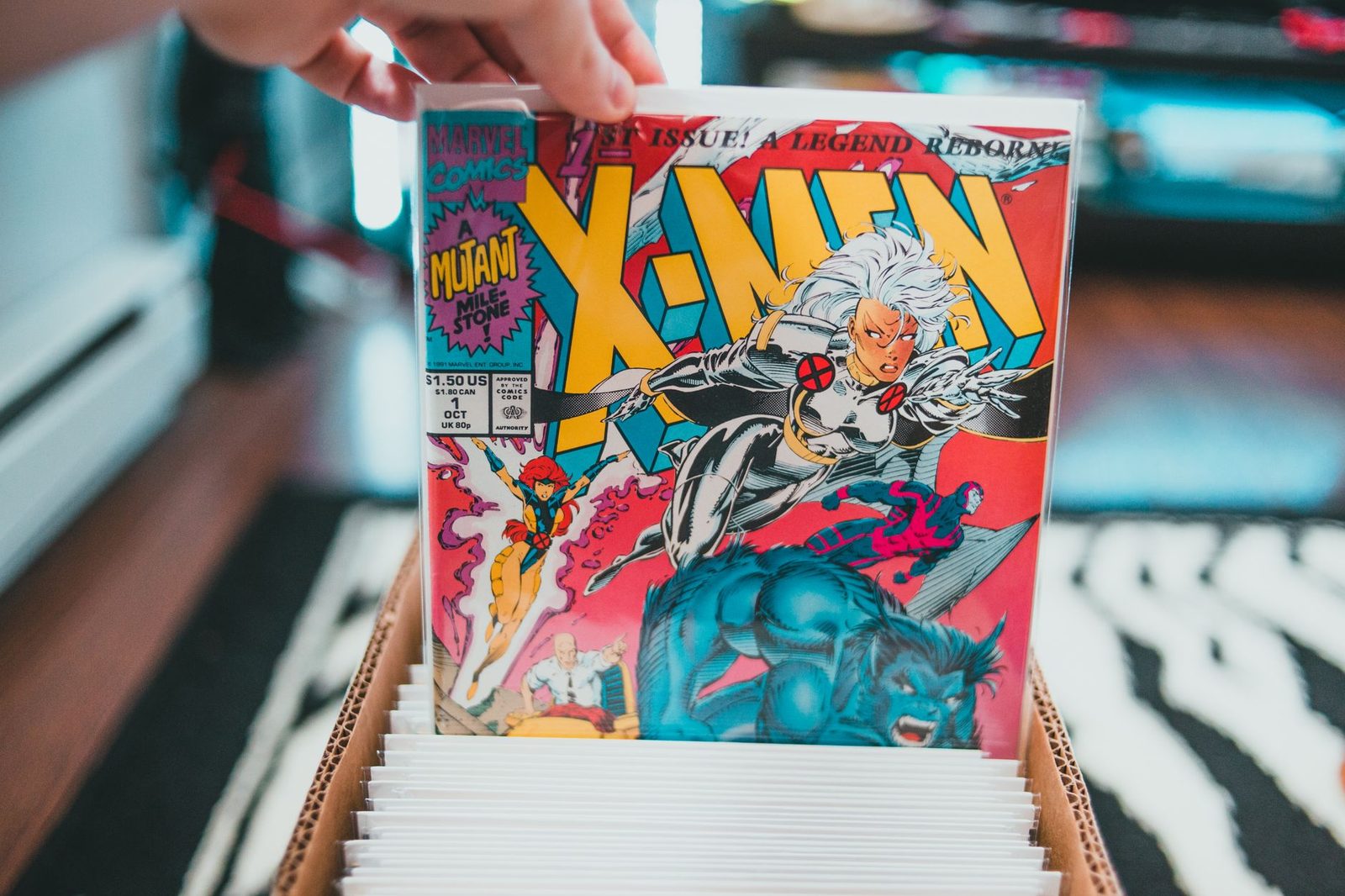
Before you buy anything, decide why you are collecting. Some people collect for pure love of a character or artist. Others treat comic book collecting as a long-term investment, similar to coins or trading cards. Most beginners land somewhere in between, and that is fine.
Start by picking a focus. A narrow focus keeps costs down and helps you learn faster. Here are common starting points:
- A single character, like Spider-Man or Wonder Woman
- One publisher, such as Marvel, DC, or an independent label
- A specific era, like Silver Age books from the 1960s
- Work by one writer or artist you admire
- Key issues only, meaning the first appearance of a character or big story event
Set a budget early. Comic book collecting can grow expensive fast, especially once you chase rare issues. Decide a monthly or yearly limit and stick close to it. This keeps the hobby fun instead of stressful.
Next, learn where to buy safely. Local comic shops are a great starting point. Staff often know their stock well and can help you avoid overpriced items. Conventions offer a chance to see books in person before buying. Online marketplaces expand your options but carry more risk, since you cannot inspect the comic yourself.
When buying online, check seller ratings and return policies closely. Fraud and misrepresented condition are real risks in any collectibles market. The Federal Trade Commission's consumer resources offer helpful, general guidance on spotting scams and protecting yourself in online purchases, which applies just as well to comics as to any other collectible.
Keep a simple log of what you own. A spreadsheet works fine. Record the title, issue number, purchase price, condition, and date bought. This record becomes useful later if you sell, insure, or trade parts of your collection.
Finally, stay patient. Comic book collecting rewards people who study the market over months and years, not days. Prices shift with movie releases, character popularity, and general market mood. A steady, informed approach beats impulsive buying almost every time.
How to Grade and Assess Comic Book Condition
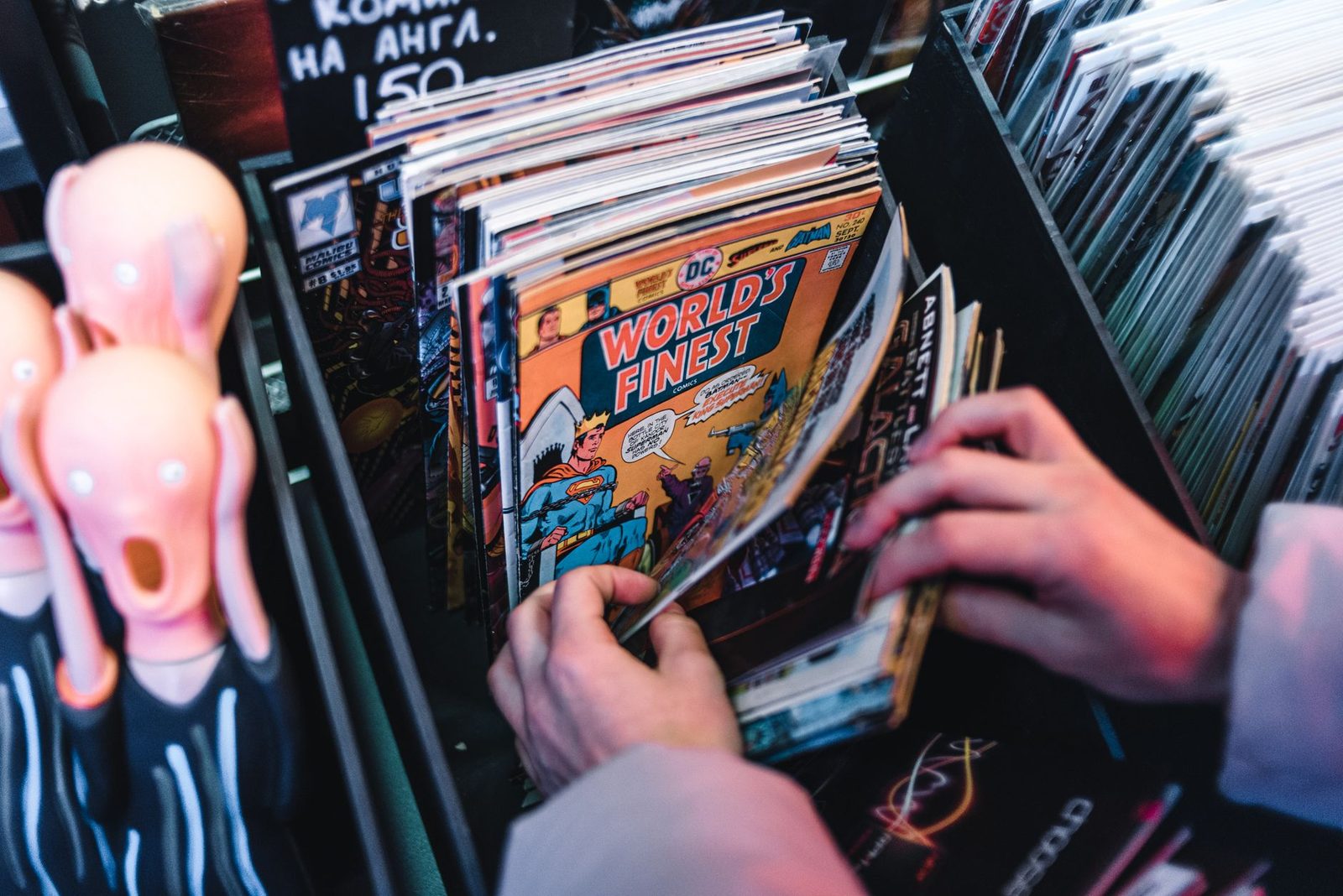
Condition is the single biggest factor in what a comic is worth. Two copies of the same issue can have wildly different prices based on how well they held up over time. This is why grading matters so much in comic book collecting.
Grading means rating a comic's physical condition on a numeric scale, usually from 0.5 to 10. A grade of 10 means the comic looks flawless, straight off the printing press. Lower grades reflect wear like creases, tears, stains, or missing pieces.
What Graders Actually Look At
When assessing condition, collectors and professional graders check several specific things:
- Cover gloss and color, since fading lowers value
- Spine stress, meaning small cracks or white lines along the fold
- Corners and edges for tears, dents, or rounding
- Staple condition, checking for rust or looseness
- Interior pages for yellowing, tears, or missing pieces
- Any writing, stamps, or stickers added after printing
You do not need special tools to start judging condition. A bright light and a magnifying glass help you spot small flaws. Handle comics with clean, dry hands, and avoid bending the spine when you flip through pages.
Professional Grading Services
For valuable comics, many collectors send books to a third-party grading company. These services examine the comic, assign a grade, and seal it in a hard plastic case. This process is often called slabbing, since the comic sits protected inside a solid plastic "slab."
A professionally graded comic often sells for more than an ungraded copy, especially for rare or old books. Buyers trust the outside grade instead of relying on photos or a seller's word. That trust adds real value, though the grading service does charge a fee.
Grading is not free money, though. The cost of sending a book away, plus shipping and turnaround time, only makes sense for comics with real value. A common back-issue copy usually is not worth grading. Save that step for comics you believe are genuinely rare or in excellent shape.
Learning to grade on your own takes practice. Look at graded comics in stores or online listings, and compare their assigned grade to what you see in photos. Over time, you will start to notice the small details that separate a high grade from an average one.
Rare Comic Book First Issues Worth Money
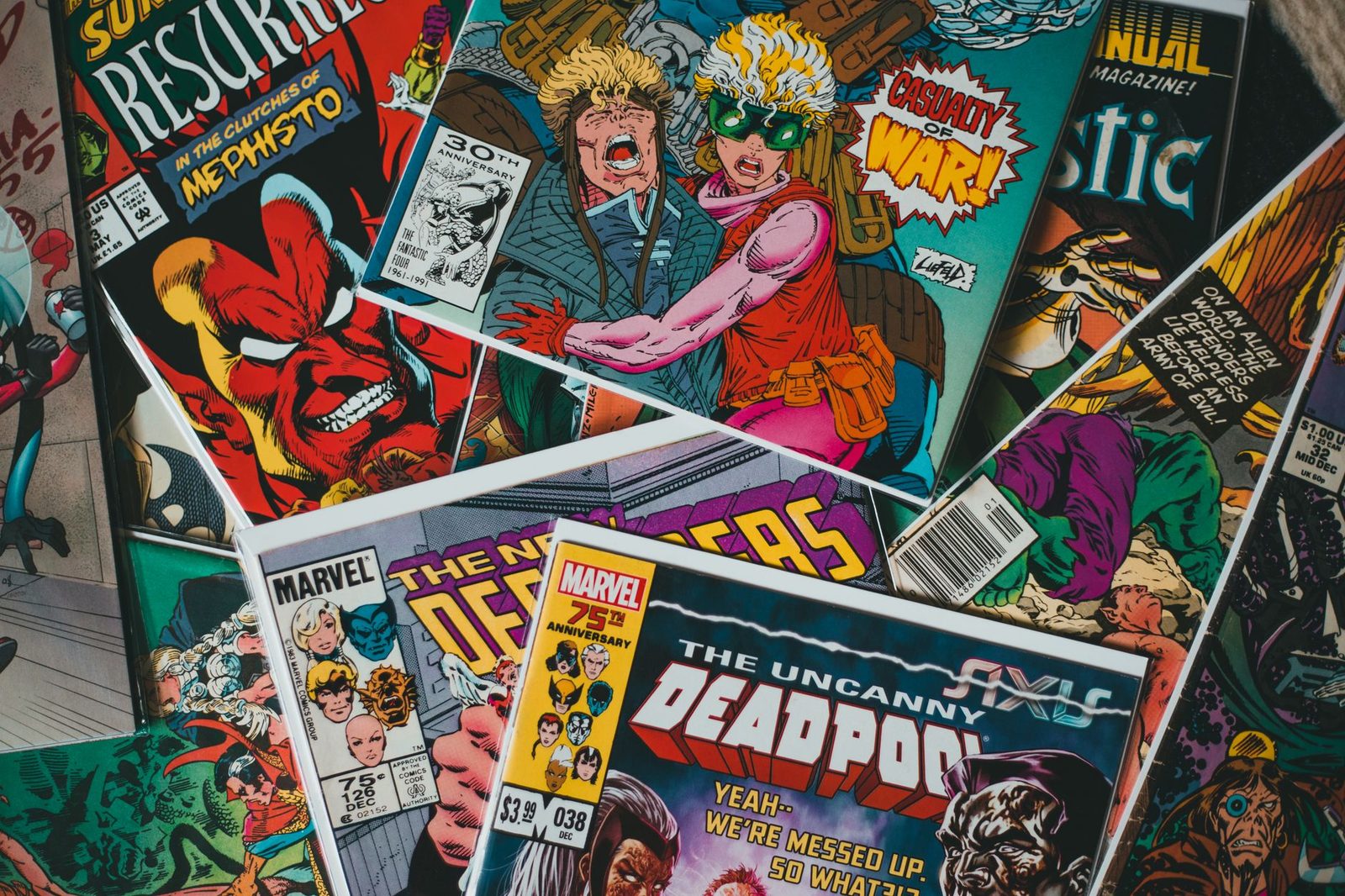
First issues, sometimes called key issues, are often the most valuable books in comic book collecting. A first issue introduces a new character, team, or major storyline for the first time. Collectors chase these books because they mark a true beginning.
Not every first issue is valuable, though. Value depends on several factors working together:
- How important the character became over time
- How many copies were originally printed
- How many surviving copies remain in good condition
- Current demand, often driven by movies, shows, or nostalgia
- The reputation of the writer or artist involved
A first appearance printed in small numbers decades ago, featuring a character who later became famous, tends to hold strong value. A first issue from a series that never gained popularity usually stays affordable, even decades later.
Signs a First Issue Might Be Valuable
New collectors often ask how to spot a promising key issue without years of market study. A few practical signs help:
- The character has appeared in movies, shows, or major crossover events
- Older collectors or dealers specifically mention the issue as important
- Price guides list a noticeably higher value compared to nearby issues
- The comic marks a first appearance, first team-up, or origin story
Price guides and online sold-listing history are useful tools here. Instead of guessing, check recent completed sales for similar condition copies. This gives a realistic sense of current value, rather than an outdated printed guide.
It helps to remember that value shifts constantly. A character's popularity can rise sharply after a new film announcement, then cool off again later. Comic book collecting rewards people who watch these trends without chasing every short-term spike.
Modern comics can also become key issues, though it is harder to predict which ones. A first appearance in a brand-new series only gains real value if that character or story later becomes a lasting success. Many "hot" new issues never reach that bar, so buy modern first issues because you enjoy them, not purely as a bet on future value.
Older key issues, especially from the Golden Age and Silver Age eras, tend to hold value more reliably. Supply is fixed, since no more copies from those decades are being printed. That scarcity, paired with lasting character popularity, is why certain vintage first issues carry serious value even in lower grades.
Best Practices for Storing and Preserving Comics
Poor storage ruins comics faster than age alone. Heat, light, humidity, and rough handling all cause damage over time. Good storage habits protect both the physical comic and its long-term value.
Bags and Boards
The basic toolkit for comic storage includes a protective bag and a stiff backing board. The bag shields the comic from dust, moisture, and finger oils. The board keeps the comic flat and prevents bending.
Choose bags made from stable plastic materials designed for long-term storage, not thin bags meant for short-term use. Replace bags every few years, since even good plastic can degrade slowly over long periods.
Boxes and Filing
Store bagged and boarded comics upright in sturdy boxes designed for comic storage. Standing comics upright, rather than stacking them flat, reduces pressure on lower copies. Cardboard comic boxes come in standard sizes that fit most bag and board combinations.
Label boxes clearly by title, issue range, or category. A simple filing system saves time later and reduces unnecessary handling, which itself causes wear.
Environment Matters
Where you store your collection matters as much as what you store it in. Keep comics in a stable, moderate temperature away from direct sunlight. Avoid attics, basements, and garages, since these spaces often swing between extreme heat, cold, and humidity.
High humidity encourages mold and warping. Very dry conditions can make paper brittle over time. A closet inside a climate-controlled home is usually a far better choice than a storage shed or car trunk.
These same principles guide how major institutions protect paper collections. The Library of Congress preservation program outlines general care standards for paper-based materials, and many of those same ideas, like stable temperature and limited light exposure, apply directly to comic book collecting at home.
Handling Tips
Always wash and dry your hands before handling comics. Oils and dirt transfer easily onto paper and can cause staining over time. Avoid eating or drinking near your collection, since spills cause damage that cannot be undone.
When removing a comic from its bag, hold it by the spine edge rather than gripping the cover tightly. Slide it out slowly instead of forcing it, which can bend corners or tear the cover.
For especially valuable comics, consider extra protection like a rigid case in addition to standard bags and boards. This adds a layer of defense against accidental drops, bending, or exposure during transport to conventions or trading events.
Good storage will not increase a comic's grade after the fact, but it does protect the grade a comic already has. That protection matters just as much as any purchase decision in comic book collecting over the long run.
Key Takeaways
Comic book collecting rewards patience, curiosity, and steady habits more than luck. Start with a clear focus, learn to judge condition honestly, and understand what makes certain first issues valuable. Store every comic with care, since good preservation protects the value you have already built.
What this means for beginners is simple. Small habits, like proper bagging, careful handling, and honest record keeping, matter more than chasing every trending issue. Build your knowledge slowly, buy what you genuinely enjoy, and let your collection grow at a pace that fits your budget and interests.
For more context, read Hey: Security and Smartphone.
For more context, read A Technology Writer: Technology and Tech.
For more context, read A Landmark Move: Framework and Apple.
For more context, read The Five-Piece Capsule That Survives a Real Winter.
For more context, read How Does the IMF Decide What a Country Can Borrow?.
For more context, read How Much Freelance Book Editing Really Costs in 2026.
For more context, read How a Manuscript Moves From Track Changes to a Typeset PDF.
For more context, read Papers that get harsher peer review may end up more cited.
For more context, read What the Research Says About Creatine and Muscle Growth.
For more context, read How Much Protein Do You Actually Need to Build Muscle?.
For more context, read What the WARN Act Actually Owes Workers When a Plant Closes.
For more context, read Robert Alter: The Hebrew Bible.
For more context, read How to Layer Your Skincare Products in the Right Order.
For more context, read What the End of the $800 Duty-Free Limit Costs You.
For more context, read Union County's water comes from two rivers it does not touch.
For more context, read BLS Prices Nearly 80,000 Items to Build the CPI.
For more context, read What to Know About FDA Color Additive Rules for Cosmetics.