A home gym can start smaller than most people think. Exercise equipment is any apparatus or device used during physical activity to enhance the strength or conditioning effects of that exercise, which means a simple resistance band qualifies just as much as a rack of weights. It may even include wearable items such as proper footgear, gloves, and hydration packs.
This guide walks through what earns its space in a small apartment, what bodyweight training can replace, and how to build a setup you will still use in a year. It is general education only, not medical advice, so check with your clinician before starting a new program. Readers following this should also see Starting to run after 40: a realistic guide to the first months.
Start With Bodyweight First
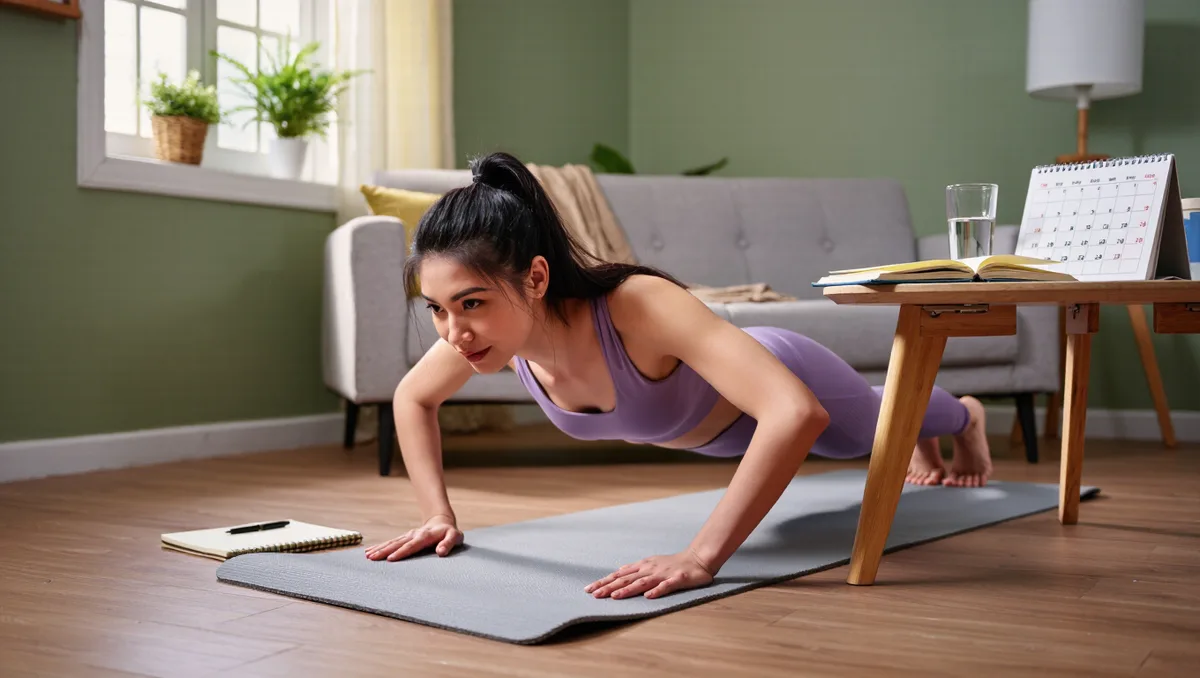
Bodyweight training is real training, not a placeholder. Strength training may involve lifting weights, bodyweight exercises such as push-ups, pull-ups, and squats, isometrics such as holding a plank, and explosive movements like jump squats and box jumps.
Push-ups, squats, lunges, and planks cost nothing and need no storage. If you are new to exercise, spend a few weeks with bodyweight circuits before buying anything. Form matters more than speed here. Slow, controlled reps build strength and protect your joints. You will also learn which movements you enjoy, and that should guide every purchase that follows. This connects to our earlier piece, How much exercise is safe during pregnancy, and when can you start again after birth?.
Small Gear That Pays Off
A few low-cost items give the most value per unit of space. A mat makes floor work comfortable and defines a workout spot. Resistance bands add adjustable resistance to rows, presses, and pulls, and they tuck into a drawer. A jump rope turns a corner of a room into cardio space. A stability ball can double as a bench for some moves. If budget is tight, buy the mat first. It is the one item almost every home workout touches.
None of these is required. Each one simply removes a small barrier, and fewer barriers means more completed workouts.
When to Add Weights
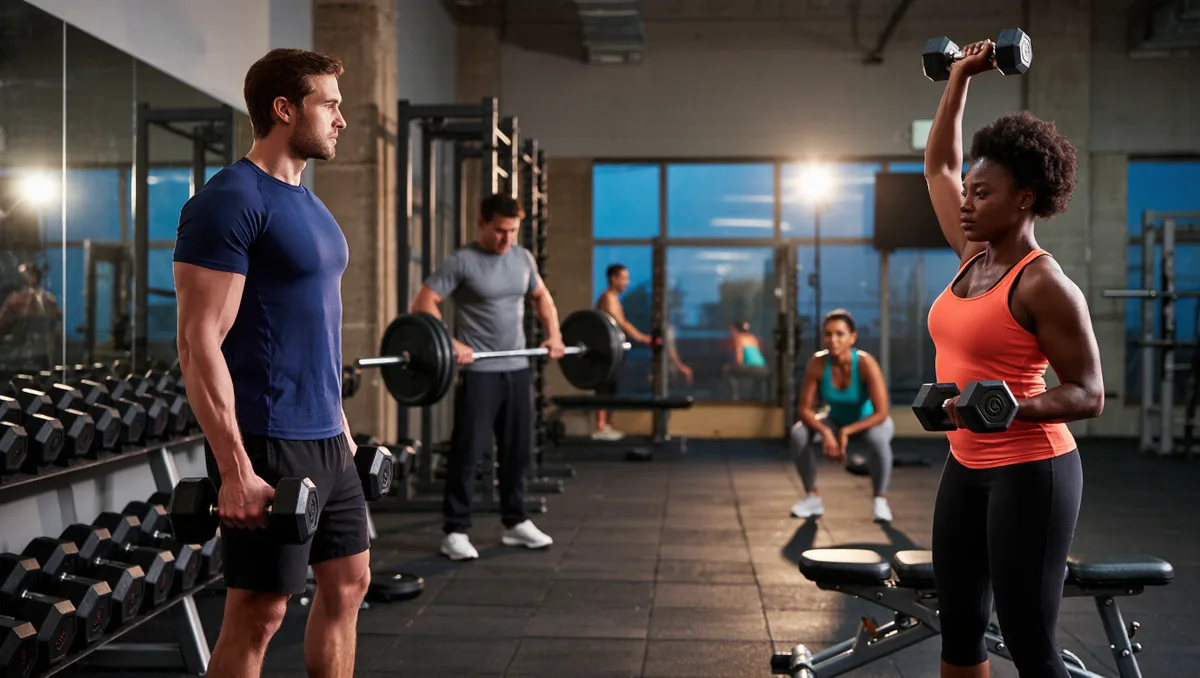
Once bodyweight work feels easy, added resistance keeps progress going. Dumbbells are the classic first buy, because one pair covers presses, rows, squats, and carries. Adjustable models take less space than a full rack and can grow with your strength.
The payoff is well documented. Anaerobic exercise, which includes strength and resistance training, can firm, strengthen, and increase muscle mass, as well as improve bone density, balance, and coordination.
Matching Gear to Your Space
Measure before you buy. A bench plus a pair of adjustable dumbbells fits a corner; a full power rack does not. Storage matters as much as function, because gear that is hard to put away tends to stay out, gather clutter, and quietly stop being used. Leave walking room around the setup too, so workouts never feel cramped.
Foldable and stackable options protect both your floor space and your habits. If you live with other people, agree on where the gear lives so a workout never becomes a negotiation.
Building the Habit That Matters
Public health guidance commonly sums the target up as about 150 minutes of moderate-intensity exercise per week, and even a small amount of exercise is healthier than none. For people who currently get the least activity, adding just a few minutes a day of moderate movement can already lower the risk of early death.
No purchase replaces showing up. The best home setup is the one whose workouts you actually complete. Start small, train consistently, and let the gear grow with the habit rather than ahead of it. Consistency beats intensity in the long run.
Conclusion
Begin with your own body, add a mat and some bands, and only then think about weights. Measure your space, favor gear that stores easily, and buy in the order your training demands. That path builds a home gym that gets used, rather than one that collects dust and guilt in a corner.